
Dental Cleaning: Why Professional Teeth Cleaning Is Important

TEETH CLEANING

Keep Your Smile Healthy and Fresh with Tooth Mentor

Introduction

A clean and healthy smile plays an important role in your confidence and overall well-being. Many people think that brushing and flossing at home is enough to maintain perfect oral health, but even with regular brushing, plaque and tartar can build up in areas that are difficult to clean.

Professional dental cleaning is a simple yet effective procedure that helps remove harmful deposits, prevent gum problems, and maintain healthier teeth. At Tooth Mentor, we recommend regular professional cleaning as an important part of preventive dental care.

In this blog, we will understand what dental cleaning is, its benefits, the procedure, and why regular cleaning is essential for maintaining a healthy smile.


What Is Professional Dental Cleaning?

Professional dental cleaning is a dental procedure performed by trained professionals to remove plaque, tartar, and stains from your teeth.

Plaque is a sticky layer of bacteria that forms on teeth daily. If it is not removed properly, it can harden into tartar, which cannot be removed through normal brushing.

Dental cleaning helps keep your teeth and gums healthy by removing these harmful deposits.


Why Is Dental Cleaning Important?

1. Prevents Gum Disease

Plaque and tartar buildup are major causes of gum problems. They can lead to symptoms such as:

  • Bleeding gums
  • Swelling
  • Redness
  • Bad breath
  • Gum infection

Regular professional cleaning helps prevent gum disease and keeps your gums healthy.


2. Removes Stubborn Plaque and Tartar

Even the best brushing technique cannot clean every area of your mouth. Professional cleaning removes buildup from difficult areas and provides a deeper level of cleanliness.


3. Helps Prevent Cavities

Plaque contains bacteria that produce acids, which can damage tooth enamel and cause cavities. Removing plaque regularly reduces the risk of tooth decay.


4. Improves Smile Appearance

Professional cleaning removes surface stains caused by:

  • Tea
  • Coffee
  • Tobacco
  • Certain foods

It helps your teeth look cleaner and brighter.


5. Keeps Your Breath Fresh

Bad breath is often caused by bacteria buildup and gum problems. Dental cleaning helps remove these bacteria and improves overall freshness.


How Is Dental Cleaning Done?

A professional dental cleaning usually involves these steps:

Examination

The dentist first checks your teeth and gums to identify any signs of dental problems.

Scaling

Special dental instruments are used to remove tartar and plaque buildup from the teeth and gum line.

Polishing

After scaling, teeth are polished to remove surface stains and make them smooth.

Final Checkup

The dentist examines your oral condition and provides advice for maintaining better dental hygiene.


How Often Should You Get Dental Cleaning?

For most people, professional dental cleaning every 6 months is recommended.

However, some patients may require more frequent cleaning if they have:

  • Gum disease
  • Heavy tartar buildup
  • Smoking habits
  • Braces
  • Previous dental problems

Your dentist can suggest the right cleaning schedule based on your oral health.


Tips to Maintain Clean Teeth at Home

Along with professional cleaning, follow these habits:

  • Brush twice daily
  • Floss regularly
  • Use fluoride toothpaste
  • Drink enough water
  • Reduce sugary foods
  • Avoid tobacco products
  • Visit your dentist regularly

Good daily habits combined with professional care help maintain a healthy smile.


Frequently Asked Questions (FAQs)

Is dental cleaning painful?

Dental cleaning is generally a comfortable procedure. Some patients may feel mild sensitivity, especially if there is heavy tartar buildup.

Can cleaning damage teeth?

No, professional dental cleaning does not damage healthy teeth when performed by trained dental professionals.

How long does dental cleaning take?

Usually, a dental cleaning session takes around 30–60 minutes depending on the condition of your teeth.

Is dental cleaning necessary if I brush daily?

Yes. Brushing removes daily plaque, but professional cleaning removes hardened tartar that cannot be removed at home.


Why Choose Tooth Mentor?

At Tooth Mentor, we focus on preventive dental care to help patients maintain healthy teeth and gums for a lifetime. Our experienced team provides comfortable and effective dental cleaning procedures using modern techniques.

We believe that regular care and early prevention are the foundation of a confident smile.


Conclusion

Professional dental cleaning is an essential part of maintaining good oral health. It helps prevent gum disease, reduce cavities, remove stains, and keep your smile fresh and healthy.

Regular brushing and flossing are important, but professional dental cleaning provides the deep care your teeth need.

At Tooth Mentor, we are committed to helping you achieve a cleaner, healthier, and more confident smile through expert dental care.

Why Regular Dental Checkups Are Essential for a Healthy Smile

ORAL DENTAL CHECK UP

A Complete Guide to Maintaining Your Oral Health with Tooth Mentor

Introduction

A healthy smile is not just about having clean and beautiful teeth; it is an important part of your overall health and confidence. Many people visit a dentist only when they experience severe pain or discomfort, but waiting for a dental problem to appear can often make the condition more serious.

Regular dental checkups help identify oral health issues at an early stage and prevent them from becoming bigger problems. At Tooth Mentor, we believe that preventive dental care is the key to maintaining strong teeth, healthy gums, and a confident smile for life.

A routine dental examination allows your dentist to detect problems such as cavities, gum disease, tooth sensitivity, and other hidden concerns before they require complex treatments.


What Happens During a Regular Dental Checkup?

Many patients avoid dental visits because they are unsure about the process. A routine dental checkup is simple, comfortable, and focused on maintaining your oral health.

1. Complete Oral Examination

During your visit, the dentist examines your teeth, gums, tongue, and mouth to identify any signs of:

  • Tooth decay
  • Gum infection
  • Plaque buildup
  • Tooth damage
  • Oral health problems

Early detection helps provide faster and easier treatment.


2. Professional Teeth Cleaning

Even with regular brushing, plaque and tartar can build up in areas that are difficult to clean at home.

Professional cleaning helps:

  • Remove plaque and tartar
  • Prevent gum disease
  • Reduce bad breath
  • Remove surface stains
  • Keep your teeth healthier

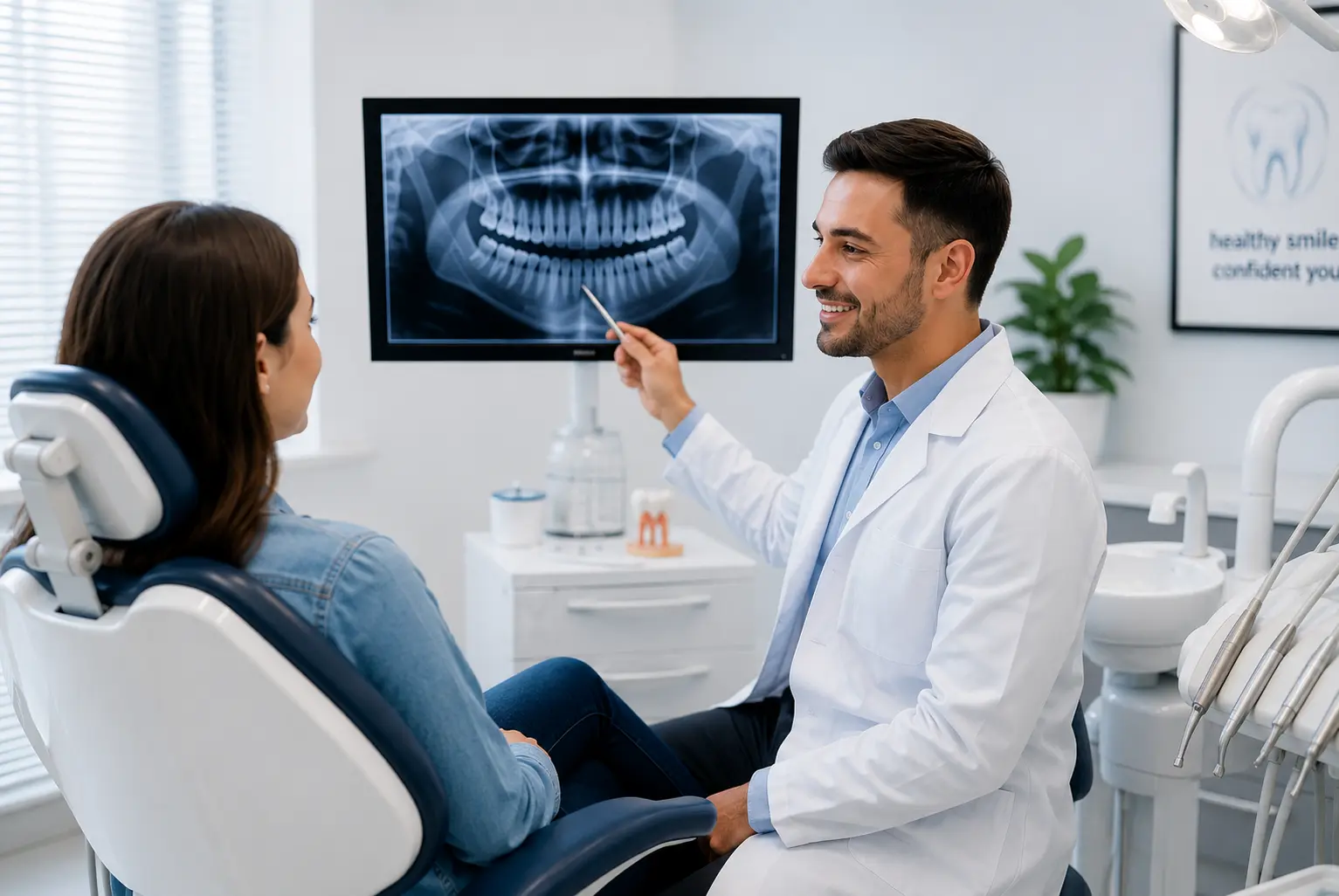
3. Dental X-Rays (If Required)

Sometimes dental problems are hidden below the surface. X-rays help dentists identify issues such as:

  • Hidden cavities
  • Root infections
  • Bone problems
  • Impacted wisdom teeth

This allows your dentist to create the right treatment plan.


Why Are Regular Dental Checkups Important?

1. Early Detection of Dental Problems

Many dental problems start silently without causing pain. Regular checkups help detect these issues in their early stages when treatment is easier and less expensive.

For example, a small cavity can be treated with a simple filling, while ignoring it may lead to root canal treatment.


2. Prevents Gum Disease

Healthy gums are the foundation of healthy teeth. Plaque buildup can cause gum inflammation, bleeding, and infection.

Regular dental visits help prevent gum problems and protect the tissues that support your teeth.


3. Maintains Fresh Breath

Bad breath can sometimes be a sign of underlying dental problems such as gum disease, bacteria buildup, or tooth decay.

Professional cleaning and proper dental care help maintain fresh breath and better oral hygiene.


4. Protects Your Natural Teeth

Your natural teeth are valuable and should be protected for as long as possible. Regular checkups help prevent tooth damage and reduce the chances of tooth loss.


5. Saves Time and Treatment Costs

Preventive dental care is always better than waiting for a serious problem.

A regular checkup can help avoid expensive treatments by identifying problems early.


How Often Should You Visit a Dentist?

For most people, a dental checkup every six months is recommended.

However, some individuals may need more frequent visits if they have:

  • Gum problems
  • Frequent cavities
  • Dental implants
  • Braces
  • Diabetes
  • Poor oral health history

Your dentist can suggest the right schedule according to your needs.


Daily Habits for Better Oral Health

Along with regular dental visits, maintaining good habits at home is essential.

Follow these simple tips:

  • Brush your teeth twice daily.
  • Floss regularly.
  • Use fluoride toothpaste.
  • Drink enough water.
  • Reduce sugary foods and drinks.
  • Avoid smoking and tobacco products.
  • Replace your toothbrush every 3–4 months.

Small daily habits can make a big difference in your long-term oral health.


Signs You Should Visit a Dentist Immediately

Do not ignore these warning signs:

  • Continuous tooth pain
  • Bleeding gums
  • Swollen gums
  • Tooth sensitivity
  • Loose teeth
  • Bad breath that does not improve
  • Cracked or broken teeth
  • Mouth sores that do not heal

Early treatment can prevent these problems from becoming serious.


Frequently Asked Questions (FAQs)

How often should I get a dental checkup?

Most people should visit a dentist every six months for routine examination and cleaning.

Are dental checkups painful?

No, regular dental checkups are generally comfortable. Professional cleaning and examinations are simple procedures.

Can regular checkups prevent cavities?

Yes, regular visits help detect early signs of cavities and prevent them from getting worse.

Why is professional cleaning necessary?

Professional cleaning removes plaque and tartar that cannot be completely removed through normal brushing.


Why Choose Tooth Mentor?

At Tooth Mentor, we focus on providing comfortable, personalized, and quality dental care for every patient. Our goal is not only to treat dental problems but also to educate patients about maintaining lifelong oral health.

With modern techniques, experienced care, and a patient-friendly approach, we help you achieve a healthy and confident smile.


Conclusion

Regular dental checkups are one of the most important steps toward maintaining strong teeth and healthy gums. They help prevent dental problems, detect issues early, and keep your smile beautiful for years.

Don’t wait until pain becomes a problem. Make dental care a part of your routine and give your smile the attention it deserves.

Visit Tooth Mentor today and take the first step toward a healthier, brighter, and more confident smile.

Root Canal Treatment Explained: Everything You Need to Know

ROOT CANAL HEALTH Care

A Complete Patient Guide by Tooth Mentor

Introduction

Hearing the words “root canal treatment” often makes people nervous. Many believe it is painful or complicated, but modern dentistry has changed that perception. Today, root canal treatment is a safe, effective, and virtually painless procedure that helps save a damaged or infected tooth instead of removing it.

At Tooth Mentor, we understand that preserving your natural teeth is always the best option whenever possible. Root canal treatment (RCT) is designed to eliminate infection, relieve pain, and restore the tooth’s function, allowing you to eat, speak, and smile with confidence again.

In this guide, we’ll explain what a root canal is, why it’s needed, how the procedure works, its benefits, aftercare tips, and answer some of the most common questions patients ask.


What Is Root Canal Treatment?

A root canal treatment is a dental procedure used to treat an infection inside the tooth. Beneath the hard outer enamel lies a soft tissue called the dental pulp, which contains nerves and blood vessels. When this pulp becomes infected due to deep decay, cracks, trauma, or repeated dental procedures, it can cause severe pain and swelling.

During a root canal, the infected pulp is carefully removed, the inside of the tooth is cleaned and disinfected, and the canals are sealed to prevent future infection. Finally, the tooth is restored with a filling or crown to regain its strength and function.


When Do You Need a Root Canal?

Not every toothache requires a root canal, but certain symptoms should never be ignored.

Common signs include:

  • Persistent or severe tooth pain
  • Pain while chewing or biting
  • Sensitivity to hot or cold that lasts for several minutes
  • Swollen or bleeding gums near the affected tooth
  • A pimple-like swelling on the gums
  • Darkening or discoloration of the tooth
  • Loose tooth due to infection

If you experience any of these symptoms, visiting a dentist early can prevent the infection from spreading.


Common Causes of Tooth Infection

Several factors can damage the pulp inside your tooth.

Deep Cavities

Untreated tooth decay allows bacteria to reach the inner pulp.

Cracked or Broken Teeth

A crack can expose the pulp to bacteria, leading to infection.

Dental Trauma

An accident or injury may damage the tooth even if no visible crack is present.

Repeated Dental Procedures

Multiple fillings or restorations on the same tooth can sometimes irritate the pulp over time.


How Is Root Canal Treatment Performed?

Many patients worry about the procedure, but modern root canal treatment is comfortable and straightforward.

Step 1: Examination and X-Ray

Your dentist examines the tooth and may take an X-ray to assess the extent of the infection.

Step 2: Local Anesthesia

The area is numbed using local anesthesia to ensure a pain-free experience.

Step 3: Cleaning the Root Canals

A small opening is made in the tooth, and the infected pulp is removed. The canals are cleaned, shaped, and disinfected.

Step 4: Sealing the Tooth

The cleaned canals are filled with a special biocompatible material to prevent future infection.

Step 5: Crown Placement

In most cases, a dental crown is recommended to protect the treated tooth and restore its strength.


Benefits of Root Canal Treatment

Root canal treatment offers several long-term benefits:

  • Saves your natural tooth
  • Relieves severe tooth pain
  • Prevents infection from spreading
  • Restores normal chewing function
  • Improves oral health
  • Avoids the need for tooth extraction
  • Maintains your natural smile

Saving your natural tooth is almost always better than replacing it with an artificial one.


Is Root Canal Treatment Painful?

This is one of the most common myths in dentistry.

With modern techniques and local anesthesia, root canal treatment is generally no more uncomfortable than getting a dental filling. Most patients feel relief from the pain caused by the infection after the procedure.

Some mild soreness may occur for a day or two, but it can usually be managed with prescribed medication.


Aftercare Tips

Proper care after a root canal helps ensure successful healing.

  • Avoid chewing on the treated tooth until the permanent crown is placed.
  • Brush and floss gently but regularly.
  • Take prescribed medications as directed.
  • Avoid hard or sticky foods for a few days.
  • Attend follow-up appointments as recommended by your dentist.

Maintaining good oral hygiene will help protect the treated tooth for many years.


Can a Root Canal-Treated Tooth Last a Lifetime?

Yes. With proper care, a tooth that has undergone root canal treatment can last for many years, and in many cases, even a lifetime.

Regular dental checkups, good oral hygiene, and avoiding habits like chewing ice or opening packages with your teeth can help extend the life of the restored tooth.


Frequently Asked Questions

How long does a root canal take?

Most treatments are completed in one or two appointments, depending on the condition of the tooth.

Is tooth extraction better than a root canal?

In most cases, saving your natural tooth through a root canal is the preferred option because it preserves your natural bite and jawbone.

Will I need a crown afterward?

Yes, many back teeth require a crown after root canal treatment to restore strength and prevent fractures.

Can I eat after the procedure?

Yes, but wait until the numbness wears off and avoid chewing on the treated side until your dentist advises it’s safe.


Why Choose Tooth Mentor?

At Tooth Mentor, we focus on preserving your natural teeth through advanced, patient-friendly treatments. Our experienced dental team uses modern equipment and gentle techniques to make root canal treatment as comfortable and stress-free as possible.

From diagnosis to final restoration, we provide personalized care, clear communication, and a commitment to your long-term oral health. Your comfort and confidence are always our priority.


Conclusion

Root canal treatment is one of the most effective ways to save a damaged or infected tooth while relieving pain and restoring your smile. Delaying treatment can lead to more serious complications, including tooth loss and the spread of infection.

If you’re experiencing tooth pain, swelling, or sensitivity, don’t wait for the problem to worsen. Early treatment can make all the difference.

At Tooth Mentor, we’re dedicated to helping you protect your natural teeth and enjoy a healthy, confident smile for years to come.

A Complete Patient Guide by Tooth Mentor

Introduction

Hearing the words “root canal treatment” often makes people nervous. Many believe it is painful or complicated, but modern dentistry has changed that perception. Today, root canal treatment is a safe, effective, and virtually painless procedure that helps save a damaged or infected tooth instead of removing it.

At Tooth Mentor, we understand that preserving your natural teeth is always the best option whenever possible. Root canal treatment (RCT) is designed to eliminate infection, relieve pain, and restore the tooth’s function, allowing you to eat, speak, and smile with confidence again.

In this guide, we’ll explain what a root canal is, why it’s needed, how the procedure works, its benefits, aftercare tips, and answer some of the most common questions patients ask.


What Is Root Canal Treatment?

A root canal treatment is a dental procedure used to treat an infection inside the tooth. Beneath the hard outer enamel lies a soft tissue called the dental pulp, which contains nerves and blood vessels. When this pulp becomes infected due to deep decay, cracks, trauma, or repeated dental procedures, it can cause severe pain and swelling.

During a root canal, the infected pulp is carefully removed, the inside of the tooth is cleaned and disinfected, and the canals are sealed to prevent future infection. Finally, the tooth is restored with a filling or crown to regain its strength and function.


When Do You Need a Root Canal?

Not every toothache requires a root canal, but certain symptoms should never be ignored.

Common signs include:

  • Persistent or severe tooth pain
  • Pain while chewing or biting
  • Sensitivity to hot or cold that lasts for several minutes
  • Swollen or bleeding gums near the affected tooth
  • A pimple-like swelling on the gums
  • Darkening or discoloration of the tooth
  • Loose tooth due to infection

If you experience any of these symptoms, visiting a dentist early can prevent the infection from spreading.


Common Causes of Tooth Infection

Several factors can damage the pulp inside your tooth.

Deep Cavities

Untreated tooth decay allows bacteria to reach the inner pulp.

Cracked or Broken Teeth

A crack can expose the pulp to bacteria, leading to infection.

Dental Trauma

An accident or injury may damage the tooth even if no visible crack is present.

Repeated Dental Procedures

Multiple fillings or restorations on the same tooth can sometimes irritate the pulp over time.


How Is Root Canal Treatment Performed?

Many patients worry about the procedure, but modern root canal treatment is comfortable and straightforward.

Step 1: Examination and X-Ray

Your dentist examines the tooth and may take an X-ray to assess the extent of the infection.

Step 2: Local Anesthesia

The area is numbed using local anesthesia to ensure a pain-free experience.

Step 3: Cleaning the Root Canals

A small opening is made in the tooth, and the infected pulp is removed. The canals are cleaned, shaped, and disinfected.

Step 4: Sealing the Tooth

The cleaned canals are filled with a special biocompatible material to prevent future infection.

Step 5: Crown Placement

In most cases, a dental crown is recommended to protect the treated tooth and restore its strength.


Benefits of Root Canal Treatment

Root canal treatment offers several long-term benefits:

  • Saves your natural tooth
  • Relieves severe tooth pain
  • Prevents infection from spreading
  • Restores normal chewing function
  • Improves oral health
  • Avoids the need for tooth extraction
  • Maintains your natural smile

Saving your natural tooth is almost always better than replacing it with an artificial one.


Is Root Canal Treatment Painful?

This is one of the most common myths in dentistry.

With modern techniques and local anesthesia, root canal treatment is generally no more uncomfortable than getting a dental filling. Most patients feel relief from the pain caused by the infection after the procedure.

Some mild soreness may occur for a day or two, but it can usually be managed with prescribed medication.


Aftercare Tips

Proper care after a root canal helps ensure successful healing.

  • Avoid chewing on the treated tooth until the permanent crown is placed.
  • Brush and floss gently but regularly.
  • Take prescribed medications as directed.
  • Avoid hard or sticky foods for a few days.
  • Attend follow-up appointments as recommended by your dentist.

Maintaining good oral hygiene will help protect the treated tooth for many years.


Can a Root Canal-Treated Tooth Last a Lifetime?

Yes. With proper care, a tooth that has undergone root canal treatment can last for many years, and in many cases, even a lifetime.

Regular dental checkups, good oral hygiene, and avoiding habits like chewing ice or opening packages with your teeth can help extend the life of the restored tooth.


Frequently Asked Questions

How long does a root canal take?

Most treatments are completed in one or two appointments, depending on the condition of the tooth.

Is tooth extraction better than a root canal?

In most cases, saving your natural tooth through a root canal is the preferred option because it preserves your natural bite and jawbone.

Will I need a crown afterward?

Yes, many back teeth require a crown after root canal treatment to restore strength and prevent fractures.

Can I eat after the procedure?

Yes, but wait until the numbness wears off and avoid chewing on the treated side until your dentist advises it’s safe.


Why Choose Tooth Mentor?

At Tooth Mentor, we focus on preserving your natural teeth through advanced, patient-friendly treatments. Our experienced dental team uses modern equipment and gentle techniques to make root canal treatment as comfortable and stress-free as possible.

From diagnosis to final restoration, we provide personalized care, clear communication, and a commitment to your long-term oral health. Your comfort and confidence are always our priority.


Conclusion

Root canal treatment is one of the most effective ways to save a damaged or infected tooth while relieving pain and restoring your smile. Delaying treatment can lead to more serious complications, including tooth loss and the spread of infection.

If you’re experiencing tooth pain, swelling, or sensitivity, don’t wait for the problem to worsen. Early treatment can make all the difference.

At Tooth Mentor, we’re dedicated to helping you protect your natural teeth and enjoy a healthy, confident smile for years to come.